


Translate This Page
Humor:

Teacher: You missed school
yesterday, didn’t you?
Pupil: Not very much!
Dear visitor,
ا
لذى فى الاعلى
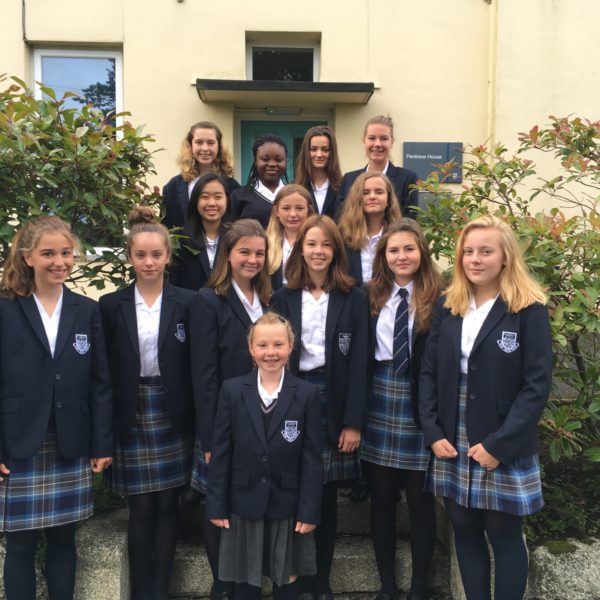
1. Curriculum philosophy
The British English curriculum develops confident,
thoughtful and effective communicators. It treats
English not only as a subject, but as a means of
learning, self-expression, cultural understanding
and participation in society.
The curriculum is built on these principles:
- Communication: Learners develop speaking, listening, reading and writing together.
- Language in use: Grammar, vocabulary and spelling are taught in meaningful contexts, not only as isolated rules.
- Literature and culture: Learners encounter a broad range of literary and non-literary texts, voices and perspectives.
- Progression: Skills are revisited and extended as learners move through the year groups.
- Inclusion: Teaching recognises different starting points, languages, abilities and learning needs.
- Independence: Learners develop the strategies to read critically, express ideas clearly and improve their own work.
- Enjoyment and lifelong learning: Reading, discussion and creative expression are encouraged beyond the classroom.
The curriculum should be adapted to the school’s age
range, local requirements and learners’ needs. In
England, schools commonly organise English around
the National Curriculum; other British-curriculum
schools may use different frameworks.
Core Stands: | Curriculum System |
|---|---|
| Speaking and listening | Discussion, presentation, questioning, active listening, drama and spoken language choices |
| Reading | Decoding and fluency, comprehension, inference, analysis, evaluation and independent reading |
| Writing | Planning, drafting, organising, composing, editing and presenting for different purposes and audiences |
| Vocabulary, grammar and punctuation | Word meaning, sentence structure, grammatical choices, punctuation and their effects |
| Spelling and handwriting | Spelling patterns, word structure, accurate transcription, legible handwriting and keyboard skills |
| Literature | Poetry, prose, drama, literary heritage and contemporary writing |
| Media and non-fiction | News, information texts, speeches, instructions, reviews, digital and multimodal texts |
2.2 Progression across phases
The exact year-group structure depends on the school.
A typical British-curriculum progression is:
- Early years / foundation stage: Oral language, stories, phonological awareness, early reading and writing.
- Primary: Reading fluency and comprehension; spelling and sentence accuracy; writing for a growing range of purposes; discussion and presentation.
- Lower secondary: More complex texts and interpretations; analytical writing; developed argument; control of form, register and structure.
- Upper secondary: Independent critical reading; sophisticated written and spoken communication; preparation for relevant qualifications and further study.
Progression should be shown through increasing complexity, independence, accuracy, depth and flexibility—not simply through longer tasks.
2.3 Planning and teaching cycle
- Identify curriculum outcomes and learners’ starting points.
- Choose texts and contexts that support the outcomes.
- Teach new knowledge and model strategies explicitly.
- Provide guided practice, discussion and independent application.
- Check understanding during lessons and respond to it.
- Give feedback and time for learners to improve their work.
- Review progress and adapt future teaching.
3. Vision
Every learner will become a confident, capable
and curious user of English who can communicate
effectively, enjoy literature, think critically and
continue learning throughout life.
4. Mission
The English department will:
- provide a coherent, ambitious and inclusive curriculum;
- teach reading, writing, speaking and listening systematically;
- develop secure knowledge of vocabulary, grammar, spelling and punctuation;
- offer rich encounters with literature and a wide range of other texts;
- create purposeful opportunities to communicate for different audiences;
- identify barriers early and provide appropriate support and challenge;
- use assessment to improve learning and teaching;
- promote reading for pleasure and respect for diverse voices.
5. Aims
By the end of each relevant phase, learners should be increasingly able to:
- Speak clearly and purposefully, adapting language and register to audience and situation.
- Listen actively, respond thoughtfully and build on others’ ideas.
- Read fluently and independently, using suitable strategies to understand unfamiliar texts.
- Interpret and evaluate texts, supporting ideas with relevant evidence.
- Enjoy and discuss literature, including poetry, prose and drama from varied periods and perspectives.
- Write accurately and effectively for a range of purposes, audiences and forms.
- Organise ideas coherently, using paragraphs, structure and appropriate linking devices.
- Use vocabulary, grammar and punctuation deliberately to make meaning and create effects.
- Spell and present work accurately, using handwriting or digital tools appropriately.
- Review and improve their work, responding constructively to feedback.
- Recognise how language works, including how context, purpose and audience shape communication.
- Use English responsibly, including when evaluating information and communicating online.
6. Detailed course content
The following is a framework for curriculum planning rather than a fixed scheme of work. Content should be matched to the learners’ age, phase and qualification requirements.
A. Speaking and listening
Knowledge and skills
- Listening for main ideas, detail, tone and viewpoint.
- Asking relevant questions and seeking clarification.
- Taking turns and contributing constructively to discussions.
- Explaining, describing, narrating, persuading and presenting.
- Using evidence and examples to support spoken points.
- Adapting vocabulary, tone, pace and formality to audience and purpose.
- Using voice, gesture and visual aids appropriately.
- Participating in role-play, drama, debate and performance.
- Reflecting on the effectiveness of spoken communication.
Possible learning activities
- Paired and group discussions.
- Book talks and oral summaries.
- Presentations and speeches.
- Structured debates and interviews.
- Reading aloud, poetry performance and drama.
- Listening tasks using spoken and recorded texts.
B. Reading
1. Word reading and fluency
For early readers, teach phonological awareness, phonics, decoding and word recognition systematically. Across all phases, develop:
- accurate reading;
- appropriate pace and expression;
- attention to punctuation and sentence meaning;
- strategies for unfamiliar vocabulary;
- increasingly independent reading stamina.
2. Comprehension
Teach learners to:
- retrieve information and summarise key points;
- explain vocabulary in context;
- infer meaning and support inferences with evidence;
- identify themes, ideas, viewpoints and relationships;
- distinguish fact, opinion and interpretation;
- recognise how structure and language shape meaning;
- compare texts, writers and perspectives;
- evaluate reliability, purpose and effectiveness.
3. Reading range
Include a balanced selection of:
- fiction, including contemporary and older writing;
- poetry from a range of forms and periods;
- plays and scripts;
- biographies, memoirs and life writing;
- articles, reports, reviews and speeches;
- instructions, explanations and persuasive texts;
- digital and multimodal texts;
- texts representing varied cultures, experiences and viewpoints.
4. Reading for pleasure
Provide regular opportunities for independent choice, teacher read-alouds, library use, book recommendations and informal discussion about reading.
C. Writing
1. Purpose, audience and form
Learners should write for purposes such as:
- to inform and explain;
- to describe and narrate;
- to persuade and argue;
- to entertain;
- to analyse and evaluate;
- to reflect and report.
Forms may include stories, poems, scripts, letters, emails, articles, reports, reviews, speeches, essays and presentations.
2. Composition and organisation
Teach learners to:
- generate and select ideas;
- plan for purpose, audience and form;
- create a clear beginning, development and ending where appropriate;
- organise information into paragraphs or sections;
- use cohesion, linking words and reference clearly;
- control pace, emphasis and viewpoint;
- select details and examples carefully;
- sustain an appropriate tone and register.
3. Sentence craft and language choices
Develop accurate and purposeful use of:
- simple, compound and complex sentences;
- sentence openings and varied structures;
- clauses and phrases;
- precise nouns and verbs;
- adjectives and adverbs where effective;
- figurative language and imagery;
- dialogue and reported speech;
- formal and informal language;
- rhetorical devices in persuasive writing.
Teach choices in relation to meaning and effect, rather than as a checklist of techniques.
4. Grammar, punctuation and spelling
Content should build progressively and may include:
- word classes and word formation;
- sentence boundaries and sentence types;
- subject–verb agreement and tense consistency;
- clauses, conjunctions and connectives;
- pronouns and clear reference;
- commas, apostrophes, quotation marks and other punctuation;
- spelling patterns, prefixes, suffixes, roots and word families;
- commonly confused words and subject vocabulary;
- proofreading strategies and use of dictionaries or digital tools.
5. Editing and presentation
Learners should practise:
- rereading for meaning and clarity;
- checking structure, vocabulary and sentence fluency;
- correcting spelling, punctuation and grammar;
- acting on feedback;
- producing a polished final version;
- choosing suitable handwriting, layout or digital presentation.
D. Literature
Literature teaching should develop both enjoyment and close reading. Learners should encounter:
- a range of poetry, prose and drama;
- texts from different periods and contexts;
- works by writers with varied backgrounds and perspectives;
- literary heritage appropriate to the phase;
- contemporary writing and texts relevant to learners’ experiences.
Learners should explore:
- character, setting, plot, theme and conflict;
- narrator, speaker, viewpoint and voice;
- imagery, sound, rhythm and form;
- structure, genre and conventions;
- language choices and their effects;
- context where it helps illuminate meaning;
- personal response supported by evidence;
- comparison between texts and interpretations.
E. Language awareness and media literacy
Learners should consider:
- how language changes according to audience and purpose;
- how writers create tone and influence readers;
- how headlines, images, layout and design affect meaning;
- how to distinguish reliable information from unsupported claims;
- how language can include, exclude, stereotype or persuade;
- how to communicate safely and responsibly online.
7. Teaching and learning approach
Effective teaching should combine explicit instruction with purposeful practice:
- explain learning goals and success criteria;
- model reading, writing and thinking processes;
- teach vocabulary and subject knowledge explicitly;
- use high-quality examples and shared analysis;
- provide guided practice before independent work;
- build regular opportunities for discussion and reading;
- use scaffolds where needed, then reduce them as independence grows;
- adapt texts, tasks and support without lowering ambition;
- give learners time to practise, revise and reflect;
- connect English skills with other subjects where appropriate.
8. Assessment and evaluation
8.1 Assessment for learning
Use ongoing checks to identify what learners understand and what they need next:
- questioning and discussion;
- observation of reading, writing and group work;
- short quizzes and retrieval activities;
- reading conferences and comprehension tasks;
- planning notes, drafts and written responses;
- self-assessment and peer review;
- exit questions or brief reflections.
Teachers should use this evidence to adjust explanations, grouping, practice and support.
8.2 Assessment of learning
At suitable points in the year, assess a balanced sample of:
- reading comprehension and analysis;
- writing for different purposes and audiences;
- spelling, punctuation and grammar in context;
- speaking and listening;
- independent reading and response to literature.
Assessment should measure the intended learning outcomes and use consistent criteria. A single test should not be treated as a complete picture of English ability.
8.3 Assessment criteria
Criteria may include:
- Understanding: accuracy, depth and use of relevant evidence.
- Organisation: clarity, coherence and effective structure.
- Language: vocabulary, sentence control, tone and stylistic choices.
- Accuracy: spelling, punctuation and grammar appropriate to the phase.
- Communication: fluency, clarity, listening and adaptation to audience.
- Independence: ability to select strategies, review work and apply feedback.
Use age- and phase-appropriate standards, with examples of work to support consistent teacher judgement.
8.4 Feedback
Feedback should be timely, specific and actionable. It should:
- identify what the learner has done successfully;
- focus on a manageable next step;
- relate directly to the learning intention;
- allow time for learners to respond and improve;
- encourage self-correction and reflection.
8.5 Evaluation of the curriculum
Review curriculum effectiveness at least annually using evidence such as:
- learner progress and work samples;
- reading fluency, comprehension and writing outcomes;
- participation, confidence and reading engagement;
- progress of learners with additional needs or different starting points;
- attendance and completion of learning where relevant;
- learner, parent and teacher feedback;
- classroom observations and curriculum reviews.
Evaluation should ask:
- Are learners learning the intended knowledge and skills?
- Is progression clear from one unit and year group to the next?
- Are all learners accessing ambitious content and making progress?
- Are texts and tasks broad, suitable and engaging?
- Does assessment identify gaps accurately?
- What should be retained, adapted or improved?
9. Inclusion and additional support
The curriculum should be accessible and appropriately challenging for all learners, including multilingual learners and learners with special educational needs or disabilities. Possible approaches include:
- pre-teaching essential vocabulary;
- using visual supports, models and worked examples;
- breaking complex tasks into manageable steps;
- providing assistive technology or alternative ways to respond;
- offering structured talk and planning frames;
- selecting appropriately accessible texts while preserving intellectual challenge;
- providing extension through greater depth, independence and complexity;
- monitoring progress and adjusting support in partnership with relevant staff and families.
10. Suggested curriculum documentation
A complete school curriculum can be organised into:
- Curriculum philosophy and rationale.
- Vision, mission and aims.
- Long-term plan showing progression by year or phase.
- Medium-term units with texts, outcomes and assessment points.
- Lesson plans and teaching resources.
- Reading and writing expectations.
- Assessment and feedback policy.
- Inclusion and intervention guidance.
- Annual curriculum evaluation and improvement plan.
Structure of the
British
Education System
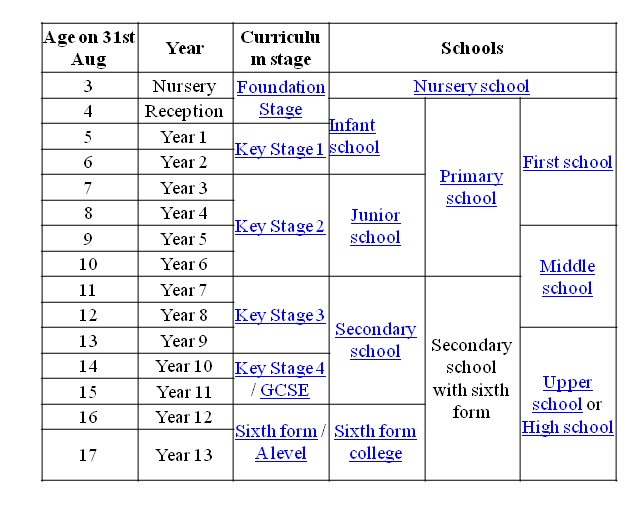
How does National Curriculum
work?
The National Curriculum is constructed in five Key Stages:
In state schools each year that a pupil studies is
given a number. Primary education starts in Year 1.
Most pupils begin their secondary education at the
age of 11 (Year 7)
At the age of 16 (the end of Key stage 4
and Year
11), all pupils take a series of exams called the
General Certificate of Secondary
Education (GCSE), usually in about eight to ten
subjects, which must include English and
Mathematics. Key Stage 5 is
for pupils aged 16-18
(sometimes 19) and most schools take Advanced
Level exams after a two-year course.
Almost all HMC Projects Scholars enter the first
year of Key Stage 5. All pupils entering Year 12
(of the thirteen years of the National Curriculum)
are beginning new courses at this point in their
education.
In Scotland,
pupils move to secondary education at the age
of 12. At the age of 16 they take exams called
Standard Grades and then move on to Highers
and Advanced Highers. These are very similar
to the English Advanced Subsidiary and
Advanced Level courses.
Early Years:
In the UK, there are four types of state schools.
First is the
community school, which is run by the
local authority, sometimes
offering their facilities
and providing services like childcare and
adult
learning classes.
There are also foundation and trust schools.
Foundation schools have
their own governing body,
which employs the staff and sets the
admissions
criteria; while a trust school is a type
of foundation
school
which forms a charitable trust with an
outside partner. Voluntary-aided schools are mainly
religious or ‘faith’ schools, although anyone can
apply for a place.
As with foundation schools, the governing body
employs the staff and sets the admission criteria.
Voluntary-controlled
schools are similar to
voluntary-aided schools, but are run by the local
authority.
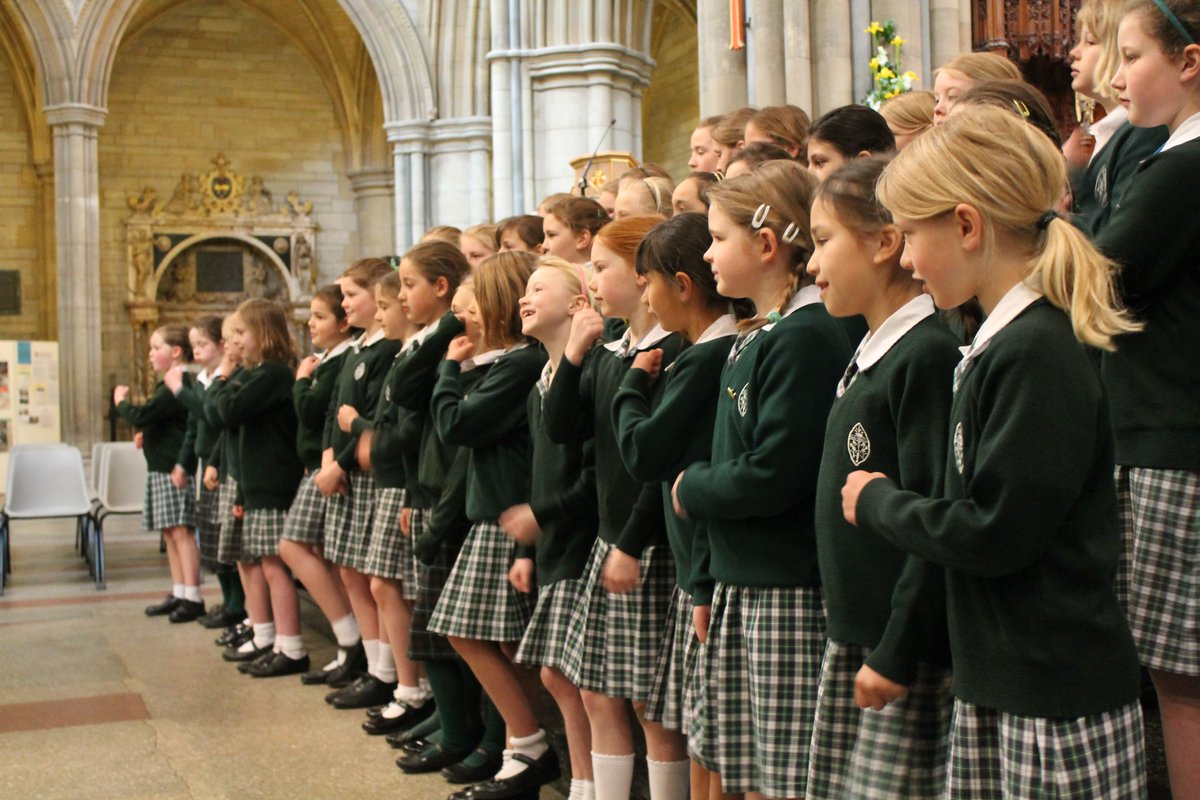
Primary School

Public provision of secondary education in an
area may consist of a combination of different
types of school, the pattern reflecting historical
circumstance and the policy adopted by the
local authority.
Comprehensive schools largely admit pupils
without reference to ability or aptitude and cater
for all the children in a neighborhood, but in some
areas they co-exist with other types of schools,
for example grammar schools. Academies,
operating in England, are publicly funded
independent schools.
University preparation in the UK
At
the age of sixteen, following two years of study,
students may take
A-Levels (Advanced Level
examinations) required for university entrance in
the UK. Over these two years following secondary
school education, students specialize in three or
four subjects that are usually relevant to the degree
subject they wish to follow at university.
At
the end of the first year, students take AS level
examinations. They
continue with three or four of
these subjects in the second year
and convert them
into full A level qualifications at the end of the
year.
A-Levels are state examinations. All British
universities recognize A-Levels results.
The UK Curriculum
Students who are taught the British Curriculum sit
for the (I) GCSE
examinations at the end of Key
Stage 4 and A Levels at the end of Key Stage 5.
This Key Stage is also referred to as Years 12 and
13 or the
Sixth Form. Both (I)GCSE and A Levels
are recognized worldwide and opens
up many
opportunities to students when it comes to higher education
In
addition, these qualifications are highly regarded
by universities and
companies in the United
Kingdom and the rest of the world.
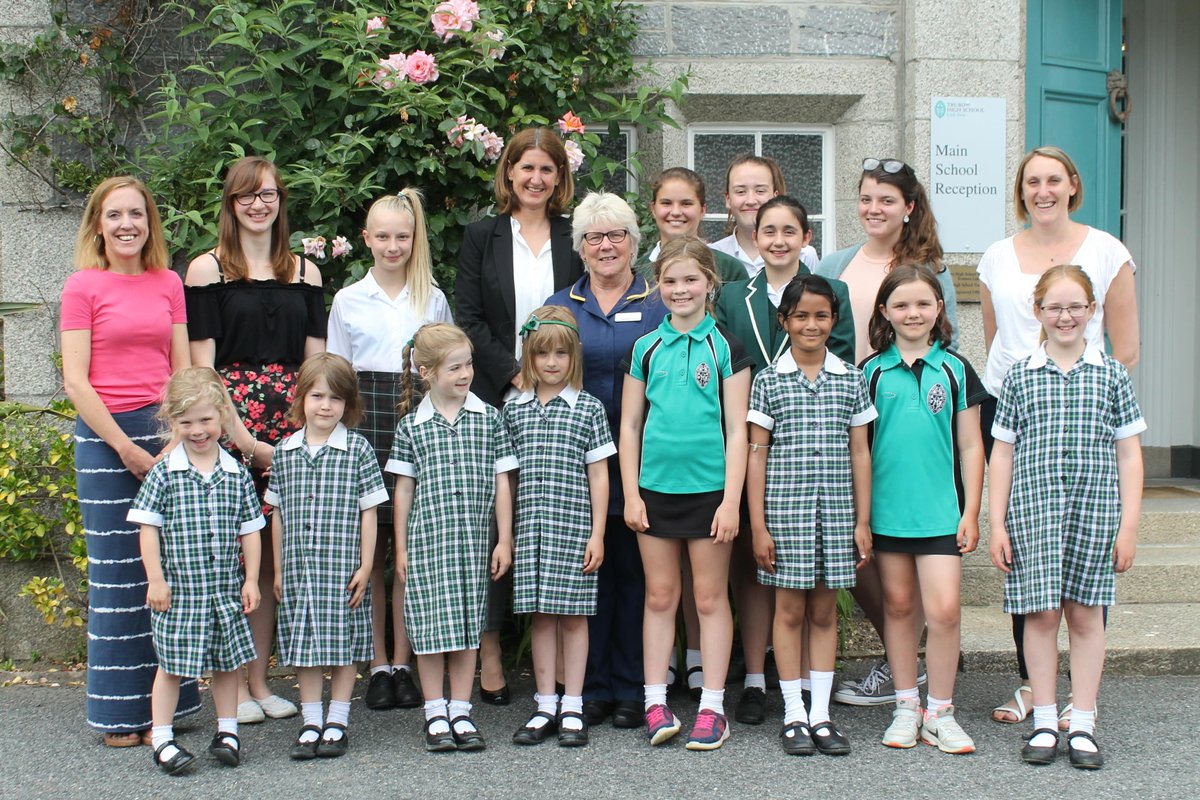
The British education curriculum, primarily governed
by the UK government and individual schools, is
structured into several stages, each with its own
focus, assessment methods, and qualifications.
Here's a detailed overview:
1. Early Years Foundation Stage (EYFS)
- Age: Birth to 5 years (Nursery and Reception)
- Focus: Development of basic skills in communication, literacy, numeracy, physical development, and social-emotional skills.
- Curriculum: Play-based, emphasizing exploration and learning through activities.
2. Primary Education
- Age: 5 to 11 years (Key Stage 1 and Key Stage 2)
- Key Stages:
- Key Stage 1: Ages 5-7 (Years 1-2)
- Key Stage 2: Ages 7-11 (Years 3-6)
3. Secondary Education
4. Further Education
5. Higher Education
- Age: 18+